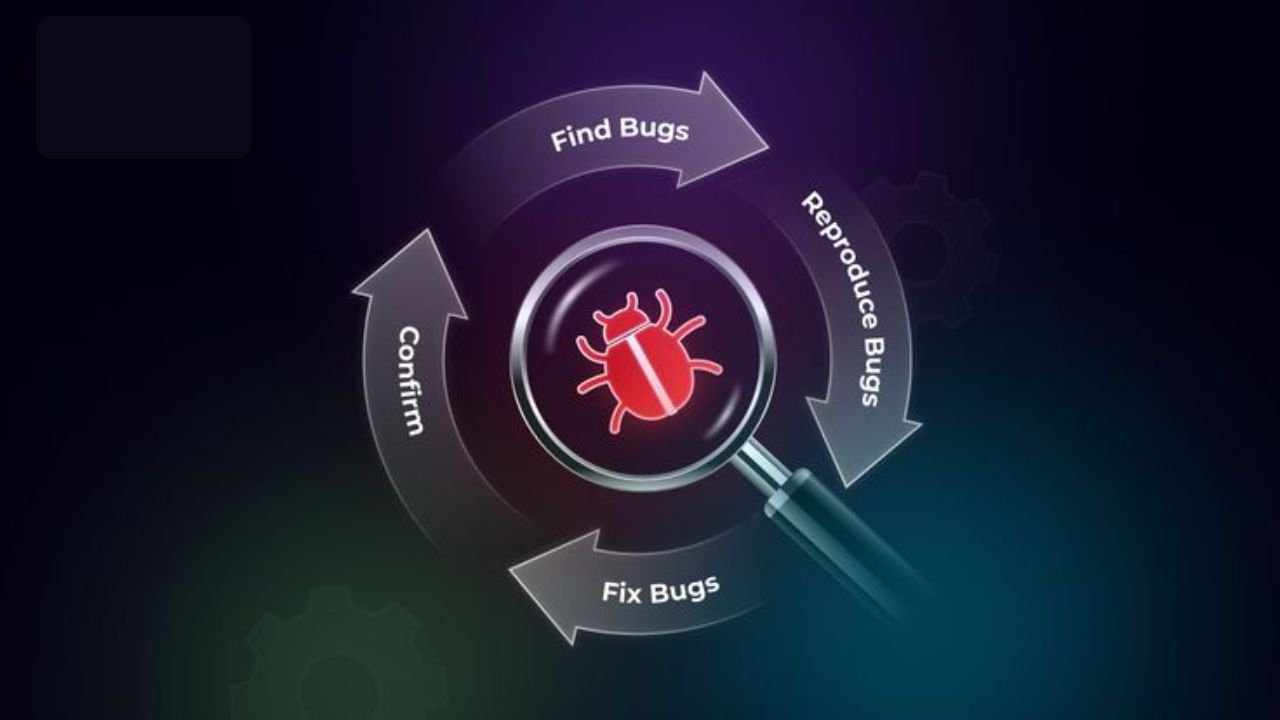
Modern businesses depend heavily on digital systems to manage operations, customer service, analytics, communication, and automation. Companies invest millions into software platforms because they expect better productivity, lower operational costs, and improved efficiency. However, many organizations still struggle during deployment phases, especially when dealing with advanced enterprise systems. One of the most discussed topics in recent years is why immorpos35.3 software implementations fail and how organizations can prevent these costly mistakes before they damage productivity and revenue.
Businesses often underestimate the complexity of enterprise deployment projects. They purchase software without proper planning, ignore employee training, and fail to create realistic timelines. As a result, implementation teams face delays, budget overruns, communication breakdowns, and technical conflicts. Understanding why immorpos35.3 software implementations fail helps companies build better strategies and improve long-term success rates.
In this detailed guide, you will learn the major reasons behind implementation failure, common warning signs, practical solutions, leadership mistakes, technical challenges, and proven best practices that improve deployment performance.
Understanding Why Immorpos35.3 Software Implementations Fail
Before companies can solve deployment issues, they must understand the root causes. Many organizations believe software itself creates problems, but poor planning usually triggers failure. Teams often rush into implementation without defining goals, workflows, or business requirements. Consequently, confusion spreads across departments, and project managers struggle to maintain consistency.
Another major reason behind why immorpos35.3 software implementations fail involves unrealistic expectations. Executives expect instant results even though enterprise software requires careful integration, testing, customization, and staff adaptation. Moreover, businesses frequently ignore user feedback during deployment phases, which creates resistance among employees.
Organizations also forget that software implementation is not only a technical process. It requires collaboration between leadership teams, developers, operational managers, consultants, and end users. Therefore, communication becomes one of the most important success factors.
Common Causes Behind Why Immorpos35.3 Software Implementations Fail
Several factors repeatedly appear in unsuccessful projects. While every company experiences different challenges, most failed deployments share similar patterns.
Major Failure Factors
| Failure Cause | Impact on Business | Long-Term Result |
|---|---|---|
| Poor planning | Delays and confusion | Budget overruns |
| Lack of employee training | Low adoption rates | Reduced productivity |
| Weak leadership involvement | Poor coordination | Project instability |
| Unrealistic timelines | Incomplete testing | Operational disruptions |
| Insufficient technical support | System errors | Customer dissatisfaction |
| Ignoring user feedback | Employee resistance | Lower efficiency |
| Poor data migration | Data corruption risks | Financial losses |
These problems explain why immorpos35.3 software implementations fail across industries such as healthcare, finance, retail, logistics, and manufacturing.
Poor Planning Creates Serious Problems
Planning acts as the foundation of every successful software deployment. Unfortunately, many companies start implementation without understanding system requirements, workflow dependencies, or integration needs. As a result, teams face constant adjustments throughout the project lifecycle.
When organizations fail to define goals clearly, departments operate independently instead of collaboratively. Consequently, communication gaps increase, and implementation managers lose control over deadlines. Additionally, incomplete requirement analysis often forces developers to redesign features during deployment stages.
Many experts discussing why immorpos35.3 software implementations fail highlight planning mistakes as the primary cause of operational disruption. Businesses must create detailed roadmaps, establish measurable objectives, and allocate sufficient resources before implementation begins.
Employee Resistance Slows Adoption
Employees play a critical role in implementation success. However, many organizations ignore workforce concerns during transition periods. Workers often fear automation, workflow changes, or increased monitoring systems. Therefore, resistance naturally grows when management fails to communicate benefits properly.
Training programs also remain inadequate in many failed projects. Employees receive limited guidance, incomplete documentation, or rushed onboarding sessions. Consequently, confusion increases, productivity drops, and frustration spreads across departments.
Understanding why immorpos35.3 software implementations fail requires recognizing the human side of technology adoption. Successful companies involve employees early, encourage feedback, and provide continuous support during implementation phases.
Leadership Mistakes Damage Projects
Leadership strongly influences project outcomes. Executives who remain disconnected from deployment activities create confusion among teams. Furthermore, inconsistent decision-making often delays approvals, budget allocations, and operational adjustments.
Many organizations assign software projects to IT departments alone. However, enterprise implementations affect every business unit. Therefore, leaders must coordinate communication between technical teams, operational managers, vendors, and employees.
Experts analyzing why immorpos35.3 software implementations fail frequently identify weak executive involvement as a recurring issue. Strong leadership improves accountability, accelerates decision-making, and ensures alignment between business objectives and technical requirements.
Technical Challenges Increase Complexity
Modern software ecosystems involve multiple integrations, cloud environments, databases, APIs, security layers, and third-party tools. Consequently, technical complexity increases significantly during implementation projects.
Companies sometimes purchase software that lacks compatibility with existing infrastructure. As a result, integration errors disrupt operations and increase development costs. In other situations, outdated hardware creates performance bottlenecks that reduce system reliability.
Cybersecurity concerns also contribute to deployment difficulties. Businesses must protect customer data, financial records, and internal communications throughout migration processes. Therefore, security testing becomes essential during implementation phases.
These technical complications explain another important aspect of why immorpos35.3 software implementations fail in competitive industries.
Unrealistic Timelines Cause Failure
Many businesses prioritize speed over accuracy. Executives often pressure teams to complete implementation quickly because they want immediate returns on investment. Unfortunately, rushed deployments create significant operational risks.
Testing phases become shorter when deadlines remain unrealistic. Consequently, software bugs, integration issues, and performance errors reach production environments. Employees then lose confidence in the new system, and customer experiences suffer.
Organizations that understand why immorpos35.3 software implementations fail usually create flexible timelines that allow proper testing, training, customization, and feedback collection.
Weak Communication Creates Confusion
Communication problems destroy coordination between departments. Project managers may understand technical requirements, but employees and executives often receive incomplete updates. Consequently, misunderstandings delay progress and reduce accountability.
Transparent communication helps teams solve issues quickly. Regular meetings, progress reports, milestone reviews, and feedback sessions improve collaboration significantly. Additionally, businesses that encourage open communication reduce resistance among employees.
Many analysts discussing why immorpos35.3 software implementations fail emphasize communication breakdowns as one of the most underestimated risks in enterprise projects.
Data Migration Problems Disrupt Operations
Data migration remains one of the most difficult parts of implementation projects. Companies must transfer large volumes of customer records, financial information, operational reports, and historical data into new systems. Therefore, even minor errors can create severe business disruptions.
Incomplete migration testing often results in missing records, duplicate entries, or corrupted databases. Consequently, employees lose trust in the system and operational efficiency declines rapidly.
Organizations focusing on why immorpos35.3 software implementations fail frequently discover that poor data management creates long-term operational instability.
Budget Mismanagement Reduces Success Rates
Software projects often exceed initial budgets because organizations underestimate hidden costs. Businesses typically focus on licensing expenses while ignoring customization fees, training costs, maintenance requirements, and infrastructure upgrades.
Financial pressure increases when delays occur repeatedly. Consequently, management may reduce training programs, testing activities, or technical support to save money. However, these shortcuts usually create larger problems later.
Companies that understand why immorpos35.3 software implementations fail allocate realistic budgets and prepare contingency plans for unexpected expenses.
Best Practices to Prevent Failure
Organizations can significantly improve implementation outcomes by following structured strategies. Successful companies focus on preparation, communication, leadership, and continuous improvement throughout deployment phases.
Proven Strategies for Success
- Define clear implementation goals before starting the project
- Create realistic timelines with testing periods
- Train employees continuously during transition stages
- Involve leadership teams throughout deployment
- Conduct detailed risk assessments regularly
- Monitor system performance after launch
- Collect employee feedback consistently
- Strengthen cybersecurity protection measures
- Test data migration carefully before final deployment
- Maintain transparent communication between departments
These strategies help organizations avoid the common mistakes associated with why immorpos35.3 software implementations fail.
The Role of Change Management
Change management helps businesses prepare employees for operational transformation. Companies that ignore change management often experience lower adoption rates and higher resistance levels.
Effective change management includes communication planning, employee engagement, leadership support, and continuous education. Additionally, businesses should celebrate milestones and recognize employee contributions during implementation periods.
Experts studying why immorpos35.3 software implementations fail consistently emphasize the importance of organizational culture and employee involvement.
How Testing Improves Implementation Success
Testing ensures software functions correctly before full deployment. Many companies skip detailed testing because they want faster implementation timelines. However, insufficient testing increases long-term risks significantly.
Quality assurance teams should evaluate performance, security, compatibility, and usability across different operational scenarios. Furthermore, businesses should perform pilot launches before company-wide deployment.
Understanding why immorpos35.3 software implementations fail requires recognizing the value of comprehensive testing strategies.
Future Trends in Software Implementations
Technology continues evolving rapidly. Artificial intelligence, cloud computing, automation, machine learning, and predictive analytics now influence enterprise deployment strategies worldwide. Consequently, businesses must adapt continuously to remain competitive.
Future implementation models will likely focus more on automation, real-time monitoring, employee experience, and cybersecurity resilience. Additionally, organizations may adopt modular deployment strategies instead of large-scale system replacements.
Companies that learn from why immorpos35.3 software implementations fail today will build stronger digital transformation strategies for the future.
Conclusion
Enterprise software deployments involve far more than technical installation processes. Successful implementations require strong leadership, strategic planning, employee engagement, effective communication, realistic timelines, and continuous testing. Unfortunately, many organizations still underestimate these requirements, which leads to operational disruptions and financial losses.
Understanding why immorpos35.3 software implementations fail helps businesses identify weaknesses before projects spiral out of control. Companies that prioritize preparation, collaboration, and long-term strategy achieve higher adoption rates and better operational performance.
As digital transformation accelerates globally, organizations must improve implementation practices to remain competitive. Businesses that invest in planning, training, communication, and risk management will significantly increase their chances of successful software deployment while avoiding the costly mistakes associated with why immorpos35.3 software implementations fail.
Also Read About: Thejavasea.me Leaks AIO-TLP370: Risks & Cybersecurity Impact